
The holidays are often described as the most wonderful time of the year—but if you’re recently divorced or separated, this season might feel anything but wonderful. Instead of joy and togetherness, you may be facing loneliness, anxiety, or even dread. Traditions that once brought warmth may now feel hollow. And gatherings may feel like a painful reminder of what’s changed. Please know that it’s okay to feel this way. In fact, it’s normal.
The good news? Peace is still possible. While this season may look different, it doesn’t have to be defined by your pain. With intention and support, you can move through the holidays in a way that honors your healing and even brings moments of light. Below are practical, compassionate steps you can take to help you navigate this season with more calm and clarity.
1. Acknowledge and accept your emotions
One of the most powerful things you can do for yourself is to be honest about how you’re feeling this season—and not to be frustrated by how long your difficult emotions are lasting. As Omar King, counselor, shares, “There is no timeline for grief.”
Pushing down your emotions can prolong your pain, but allowing yourself to feel sadness, grief, anger, or even relief can be freeing. Give yourself permission to cry and explore how you’re feeling by journaling or talking to a trusted friend or family member.
Tip: As Dr. Ramon Presson shares, it’s “better to accept that there will be enjoyable moments and difficult moments.” To help you accept what will come, set aside 10 minutes each day to reflect on what you’re feeling and why. Use a journal, like DivorceCare’s Living Forward guided journal, pray, or take some quiet time to acknowledge what you’re feeling without judgment.
2. Create new traditions that fit this season of life
 Old traditions may bring up memories that are too painful right now—and that’s okay. You are not obligated to continue practices that no longer serve your emotional well-being. Starting new traditions gives you the opportunity to reclaim the season in a way that reflects your current reality and fosters hope.
Tip: Try something different this year—host a “friendsgiving,” take a short trip, spend a day volunteering, or adopt a new holiday recipe. Even small changes can mark a new beginning.
3. Prioritize your mental, emotional, and physical self-care
During stressful times, taking care of yourself becomes even more critical. Divorce is a trauma, and the holidays can intensify stress. You might feel pressure to show up, be cheerful, or meet expectations—but it’s even more essential to be gentle with yourself right now.
Tip: Make a self-care plan by choosing one thing you’ll do each day to nourish yourself—this could be a short walk, a healthy meal, extra sleep, or doing something you enjoy. Even 10–15 minutes a day can make a big difference in helping you feel more peaceful and able to handle stress.
4. Set healthy boundaries with people and commitments
You don’t have to attend every party or explain your situation to everyone. People may not know what to say—or they may say the wrong thing. Protecting your peace means being selective about where and with whom you spend your energy.
Tip: As Dr. Linda Mintle shares, “You have to gauge where you are in the grieving process and if you’re able to handle [social gatherings].” If you’re not ready yet, practice saying “no” in advance. Prepare a few kind but firm responses so you can gracefully decline invitations or conversations that feel too heavy.
5. Practice gratitude
 It’s easy to get lost in thoughts of holidays past or worry about the future. But practicing gratitude can help counteract your anxiety and increase your ability to experience small joys. As Dr. Elias Moitinho, counselor, shares, “The pilgrims had survived a bitter winter, and they celebrated going through it and the harvest with a feast of thanksgiving. Right now, you might be going through that bitter winter, and you might not see anything good up ahead, but in 1 Thessalonians 5:18, it says to ‘give thanks in all circumstances.’”
Tip: When you give thanks, even when you don’t feel thankful, it “acts like an antidote to the poison of anger, depression, [etc.] and affects our mood, outlook, and body,” shares Leslie Vernick, relationship coach. Wondering how to start a daily gratitude practice? Each morning or evening, write down three things you’re thankful for—even if they’re small, like a cup of coffee or a moment of quiet; then, spend a few moments thanking God for these blessings.
6. Connect with others who understand
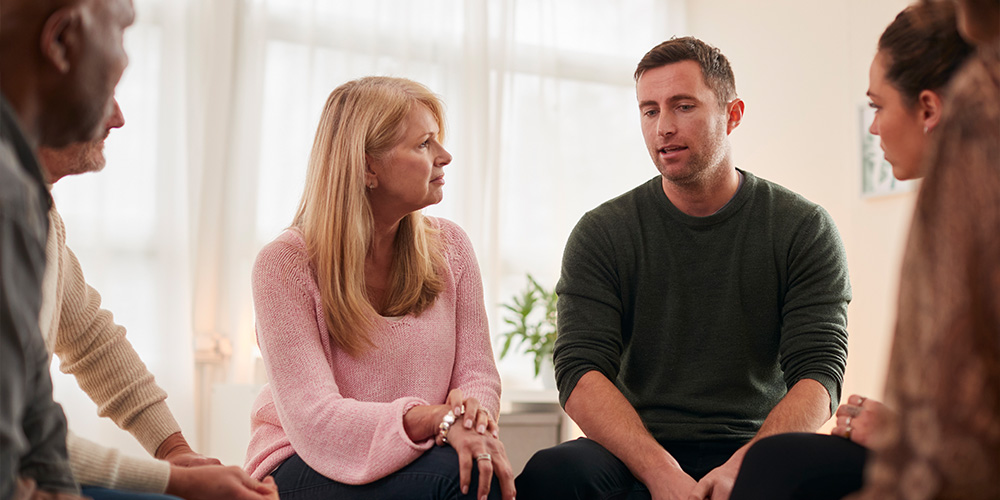
Isolation can deepen your pain, but connecting with people who “get it” can be a lifeline. You don’t need to carry the weight of this season alone. Many people are going through similar transitions and are looking for connection too.
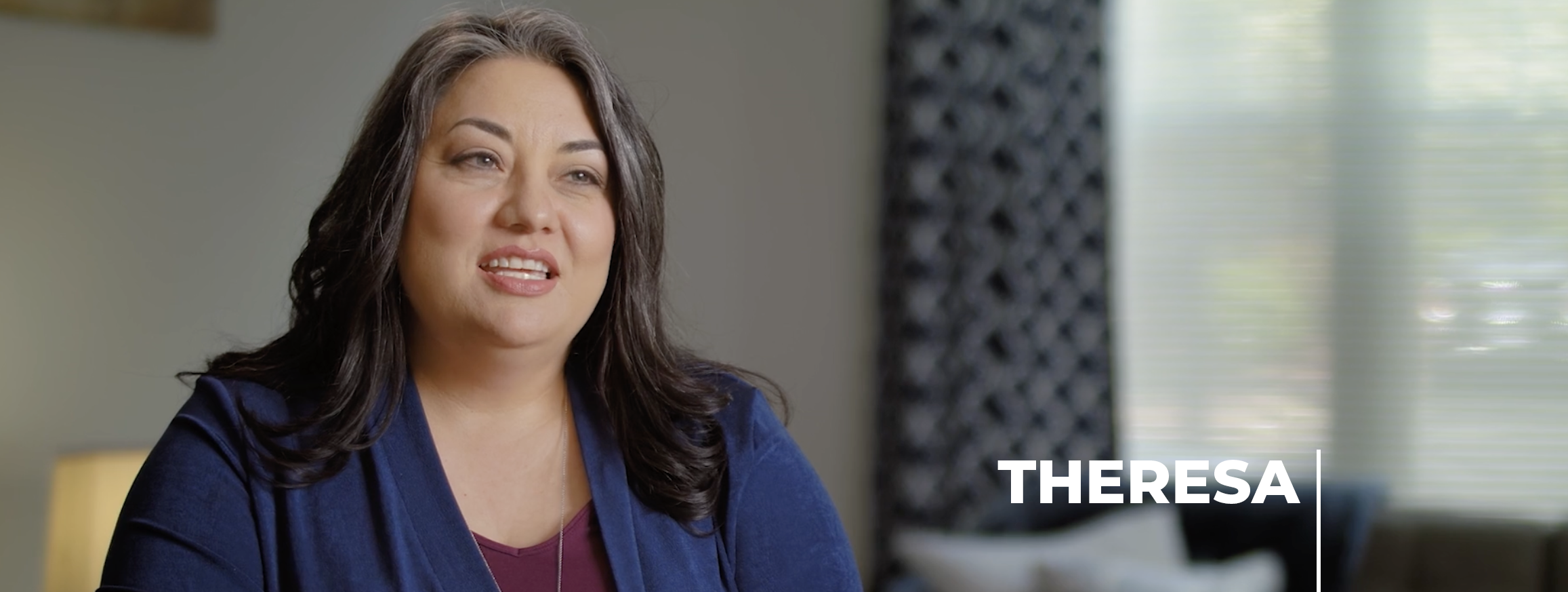
Tip: Attend a DivorceCare Surviving the Holidays event in your area. These gatherings offer a safe space to share, learn, and be encouraged by others who understand the emotional rollercoaster of this season. Wondering what you’ll experience? Check out a preview here:
7. Use practical, proven tools to help you heal
Just like having a flashlight in the dark, having a guide during tough moments can help you understand what’s ahead and how to move forward. DivorceCare’s Surviving the Holidays book is filled with practical advice, insights, and steps you can take to regain your footing this season.
Tip: Order the Surviving the Holidays book to walk you through this time with structured support. It includes tips on how to navigate this season, including how to handle traditions, complexities with family schedules, managing social settings, setting boundaries, and much more. You’ll have questions this season, and this book has answers.
A final encouragement

This holiday season may not be what you expected, but it can still be meaningful. As you walk through it, remember: peace is possible. Healing takes time, but you are not alone. With the right tools, support, and perspective, you can rediscover hope even in a season of loss.
If you’re looking for structured help and community, consider attending a DivorceCare Surviving the Holidays event or reading the Surviving the Holidays book. Both are designed to help you take practical steps toward healing and hope. And to go deeper in your healing in the new year, consider joining a DivorceCare group, a 13-week divorce-recovery support group meeting near you or online.